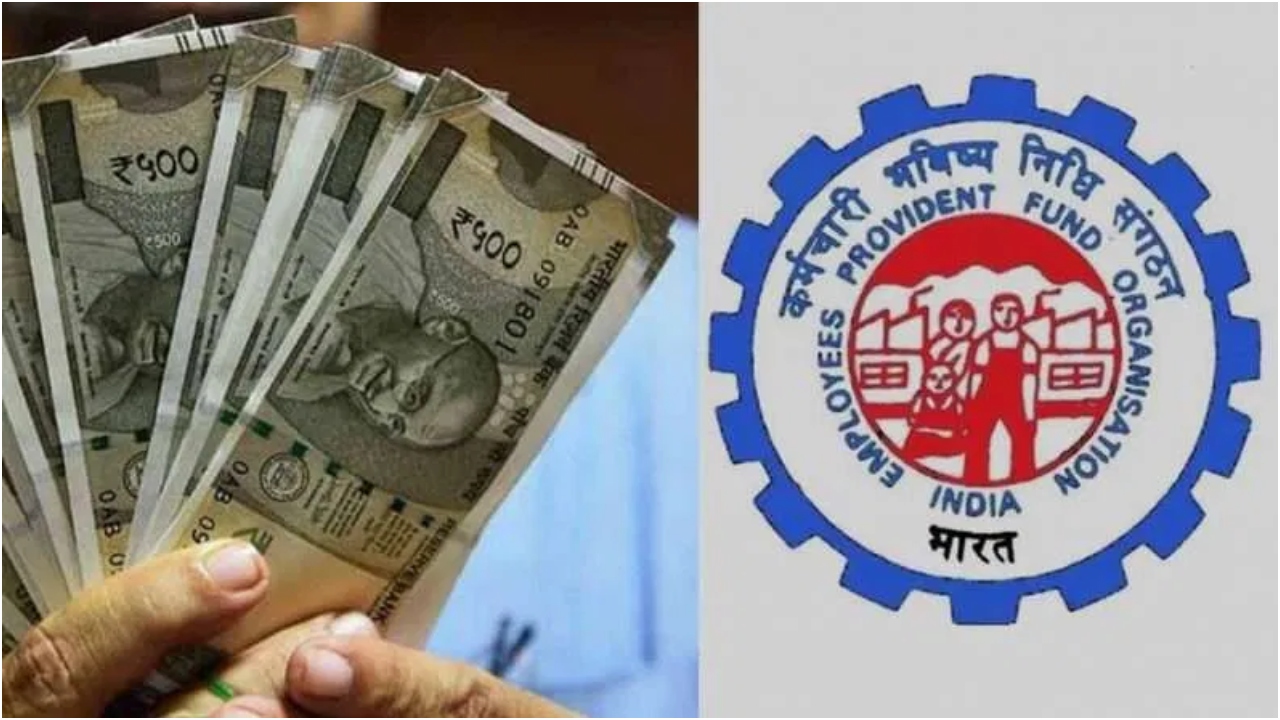
The Employees’ Provident Fund Organisation (EPFO), one of India’s largest social security organizations, is set to benefit over 1 crore private sector employees with the government’s latest decision to implement new rules. These changes aim to simplify the process of accessing provident fund (PF) benefits, reduce delays, and provide more financial security to workers. This step is being hailed as a major reform in India’s labor and social security sector.
What is EPFO?
The Employees’ Provident Fund Organisation is a statutory body under the Ministry of Labour and Employment, Government of India. It manages the Employees’ Provident Fund (EPF), which is a retirement savings scheme for employees in India. Under this scheme, both the employee and employer contribute a portion of the employee’s salary to the fund every month. Over time, this amount grows with interest, providing financial support to employees after retirement.
EPFO also manages other schemes like the Employees’ Pension Scheme (EPS) and the Employees’ Deposit Linked Insurance (EDLI), which provide pension benefits and insurance coverage to members.
The Need for New Rules
Despite EPFO’s wide coverage, many employees have faced challenges in withdrawing or transferring their PF amounts. Issues such as long waiting periods, complicated documentation, and slow processing have caused frustration among employees. The government recognized that the current system needed reforms to make PF more accessible, especially for private sector employees who are often more vulnerable to delays.
The new rules are expected to directly benefit more than 1 crore private employees by streamlining processes and reducing bureaucratic hurdles. These changes will make it easier for workers to manage their retirement savings and improve financial security for employees across India.
Key Features of the New EPFO Rules
- Simplified Online Withdrawal: One of the most significant changes is the simplification of online PF withdrawal. Employees will now be able to withdraw their EPF directly through a seamless online system without multiple approvals from their employers. This will reduce processing time drastically and allow employees quicker access to their savings.
- Direct Benefit Transfer: Under the new rules, PF amounts will be transferred directly to the employee’s bank account. This eliminates delays caused by intermediaries and ensures that employees get their money faster.
- Improved Transparency: The government aims to increase transparency in PF operations. Employees will be able to track their PF contributions and withdrawals in real-time, making the process more accountable and reducing complaints of delays or errors.
- Portability Across Jobs: Many private employees switch jobs frequently, which makes PF transfers complicated. The new rules will make PF account portability easier, allowing employees to transfer their PF balance from one employer to another without hassle.
- Wider Coverage: The government is also considering measures to bring more private sector employees under EPF coverage. This includes those working in smaller organizations or the informal sector, who traditionally have limited access to retirement benefits.
Impact on Private Employees
For private employees, the new rules will have a profound impact. Employees will no longer have to depend on employers to process PF withdrawals. The time taken for withdrawals may reduce from weeks or months to just a few days. Moreover, employees changing jobs frequently will find it easier to manage their PF accounts without losing out on accumulated benefits.
Financially, this is a significant boost. Many private sector employees rely on EPF withdrawals for emergencies, house purchases, or education. The new rules will ensure faster access to funds, providing a safety net in critical situations.
Impact on Employers
For employers, the new rules may reduce administrative burdens related to PF processing. Companies will no longer need to spend extensive time verifying PF withdrawal claims. Instead, the EPFO system will manage these processes directly with employees. This is expected to improve compliance, reduce paperwork, and lower the risk of disputes between employers and employees.
Government’s Vision
The government’s decision aligns with its vision of digital India and labor welfare. By using technology to simplify processes, the EPFO is moving towards a more transparent, efficient, and employee-friendly system. This also supports the government’s broader goal of increasing financial inclusion for all workers, especially in the private sector.
The reform is also expected to boost confidence among employees in the social security system. When workers feel secure about their savings and retirement benefits, it can lead to better productivity and job satisfaction.
Conclusion
The EPFO’s new rules mark a significant step forward in India’s labor welfare system. Over 1 crore private employees are set to benefit directly from simplified withdrawal processes, faster fund transfers, and improved transparency. By reducing bureaucratic hurdles and making PF accounts portable, the government is ensuring that retirement savings become more accessible and secure.
This reform is not just a convenience—it is a lifeline for employees, ensuring that hard-earned savings are available when needed and retirement security is strengthened. With these changes, the EPFO is not just a retirement fund; it is becoming a modern, efficient, and employee-focused institution that adapts to the needs of India’s growing workforce.